
What the 2026 Luxury Real Estate Market Really Reveals
For Manhattan’s most discerning buyers and sellers, 2026 is not a market defined by interest rates, economic forecasts, or short-term volatility. It is defined by something far more enduring: the growing scarcity of truly exceptional residences.
At the highest end of the market, timing has always been secondary to opportunity. The question is not whether conditions are perfect, but whether you are prepared to act when a rare and irreplaceable property becomes available. Trophy real estate operates according to its own dynamics, where generational value, architectural significance, and location matter far more than temporary market cycles.
For those seeking to acquire or divest a premier asset, the current market reveals a simple reality: exceptional properties remain exceptionally scarce, and that scarcity continues to shape both buyer demand and seller leverage.
The Question Beneath the Question
Rate-watchers wait. Legacy acquirers prepare.
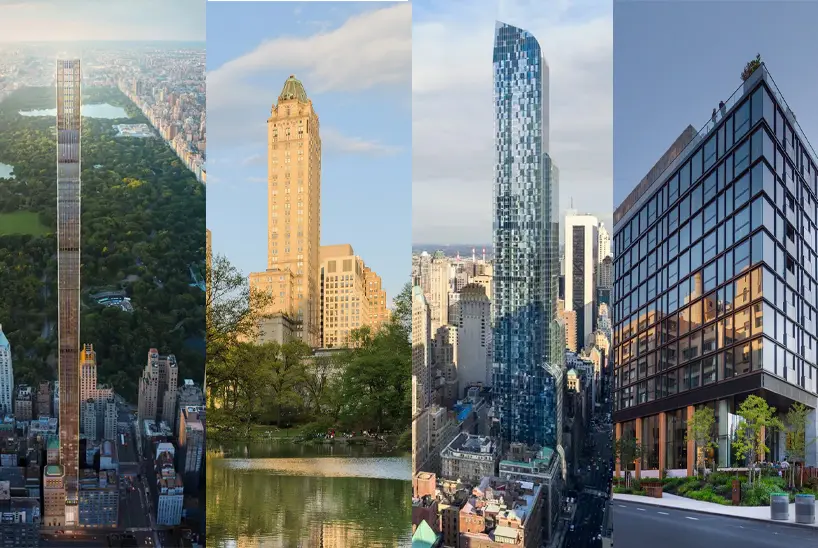
Those who have built meaningful wealth understand that the finest Manhattan residences, a full-floor at 220 Central Park South, a penthouse at 111 West 57th Street, do not sit patiently on the market while buyers deliberate over basis points. They are acquired by those who have done the preparation: clarified their objectives, established their relationships, and positioned themselves for access before the moment arrives.
The high-end segment is generally less sensitive to mortgage rate fluctuations than the broader housing market. Manhattan ultra-luxury operates by its own logic, responsive to architectural scarcity and wealth-driven demand rather than home mortgage rate fluctuations. Understanding that distinction is where any serious conversation about the 2026 market must begin.
A Market Bifurcated by Design
Broad Momentum, Trophy Conviction
Manhattan’s Q1 2026 median sale price reached $1.28M, up 9% year-over-year, according to Corcoran’s Q1 2026 report. Solid momentum. But the figure that commands attention among serious acquirers is this: contracts in the $10M to $20M range surged 47.4% year-over-year in Q1 2026, per Brick Underground’s analysis of the quarter. The increase may suggest renewed confidence among ultra-high-net-worth buyers, although longer-term trends will determine whether this represents a lasting shift.
These are two distinct markets sharing a city. The broader segment clears inventory at a measured pace, with buyers exercising patience and sellers adjusting expectations. The trophy tier is accelerating.
Demand at the upper reaches of Manhattan luxury is not softening with rate uncertainty. It is intensifying, driven by ultra-high-net-worth buyers who view acquisition through a lens of scarcity and legacy rather than financing cost.
Scarcity as the Defining Condition
Inventory at a Five-Year Low
Manhattan entered Q1 2026 with approximately 6,000 units available, the lowest Q1 inventory figure in five years. Trophy properties have never been abundant. Their scarcity is not cyclical; it is geographic and architectural. There are a finite number of homes that frame Central Park, a finite number of full-floor residences with unobstructed skyline views, a finite number of pre-war co-ops on Park Avenue with the proportions and ceiling heights that define a certain era of New York living. That finitude does not expand when interest rates decline.
New Development Supply: Structurally Constrained
Only 81 new development units launched in Q1 2026. That figure sits 75% below the ten-year average for comparable periods. The pipeline that would ordinarily replenish ultra-luxury inventory is simply not materializing at the pace that demand requires.
This is not a temporary gap. It reflects years of constrained permitting, construction cost pressures, and the inherent complexity of delivering architecturally significant new development in one of the world’s most demanding building environments.
Prepared buyers who understand this dynamic act on it. Those waiting for supply to improve may find the window has closed around them.
Kai Wong’s analysis of Q1 2026 buyer behavior confirms what the data suggests: international acquirers and domestic upgraders alike are moving with greater conviction precisely because they recognize that the right residence, at the right address, will not wait.
On Rates: A Consideration, Not a Constraint
The 30-year fixed rate sits at 6.23% as of early 2026, with Freddie Mac and Fannie Mae projecting a gradual move toward 5.9% by year-end. For a meaningful segment of the housing market, that trajectory matters considerably. For the Kai Wong audience, it is largely beside the point.
All-cash and equity-driven buyers, the profile that defines the $10M-plus tier, do not structure their acquisition calculus around mortgage rate movements. Their decision is shaped by availability, architectural significance, and long-hold conviction.
Rate sensitivity is a mass-market concern. At this tier, the conversation is about access.
What rate trajectory affects is the broader buyer pool below the ultra-luxury threshold. As rates ease toward 5.9%, more buyers re-enter the market at the $2M to $5M range, creating additional upward pressure on the inventory that feeds into the trophy tier. In that sense, improving rates are a tailwind for trophy sellers, not a reason for trophy buyers to wait.
The Seller’s Position in NY City 2026
Trophy Sellers Typically Hold Leverage
Sellers of architecturally significant residences occupy a position of genuine strength in 2026’s supply-constrained environment. When inventory sits at a five-year low and contract volume at the upper tier surges by nearly half year-over-year, the seller of a distinctive property is not competing for attention. They are selecting among motivated acquirers.
The bifurcation cuts both ways. Sellers of generic inventory, properties without architectural distinction, address scarcity, or lifestyle differentiation face a more patient buyer pool.
Buyers at every tier have become more discerning, and the premium commanded by genuinely rare residences has widened against the broader market.
Understanding Your Buyer
Selling a trophy property in 2026 begins with understanding who your buyer is and what they are actually acquiring. The international acquirer seeking a pied-à-terre with concierge-grade services. The domestic upgrader has arrived at a moment in life where the address should reflect the achievement. The legacy planner who views the transaction as a generational decision, not a quarterly one. Each requires a different conversation and a different kind of representation.
The Long-Hold Perspective
The finest Manhattan residences are not defined by interest-rate cycles or quarterly market fluctuations. Properties that have commanded premier addresses for generations derive their value from scarcity, architectural significance, and enduring desirability. These are assets whose relevance often grows with time.
For buyers with a long-term or multigenerational outlook, short-term market movements become less consequential. The more important consideration is access to exceptional inventory. If the right residence is available and aligns with your objectives, the opportunity may outweigh any concern about timing. If it is not, being prepared is what enables you to act when that opportunity eventually arrives.
What 2026 Asks of the Discerning Acquirer
The market’s defining condition, trophy scarcity against rising demand, will not resolve in favor of those who wait indefinitely. The 47.4% surge in upper-tier contracts is not a temporary anomaly; it reflects a structural shift in how ultra-high-net-worth buyers are approaching Manhattan real estate. With conviction. With preparation. With the understanding that the finest addresses do not offer second chances.
For sellers of distinctive residences, 2026 offers a moment of genuine leverage. For prepared buyers, it offers access to a market where the right guidance determines outcomes that no amount of rate-watching can replicate.
Kai Wong: Curatorial Expertise in Manhattan’s Most Distinguished Addresses
With over 25 years of direct experience closing transactions at Manhattan’s most architecturally significant addresses, Kai Wong brings to every client relationship something no market report can offer: on-the-ground knowledge of the buildings themselves and the relationships within them. Fluent in English and Cantonese and conversational in Mandarin, Kai serves domestic and international acquirers with equal discretion and depth. As a Certified Negotiation Expert, he begins every conversation by listening, because every client and every acquisition is singular.
A private strategy consultation with Kai Wong offers access to off-market trophy inventory and a candid conversation about whether 2026 conditions align with your acquisition or disposition objectives.
Frequently Asked Questions About New York City’s Luxury Listings
Does the rate environment in 2026 affect ultra-luxury buyers?
For all-cash and equity-driven buyers at the $10M-plus tier, the 6.23% rate environment has minimal bearing on acquisition decisions. Rate sensitivity defines the broader market; trophy acquirers are driven by scarcity, architectural significance, and long-hold strategies.
What is driving Manhattan luxury inventory scarcity in 2026?
A combination of five-year Q1 inventory lows at approximately 6,000 units and new development launches running 75% below the ten-year average has created structural supply constraints that are not cyclical. Trophy scarcity is geographic and architectural by nature.
What makes a Manhattan property a trophy asset?
A trophy asset carries irreplaceable address value, architectural distinction, and the kind of design pedigree that accumulates cultural significance over time. Buildings like 220 Central Park South or 111 West 57th Street represent this category: finite, coveted, and acquired for permanence.
Kai Wong is a licensed Real Estate Broker in New York City with over 25 years of experience, specializing in ultra-luxury condominiums and with an international reach. He leads a team of professionals serving high net worth buyers and foreign nationals navigating purchases across New York City.